
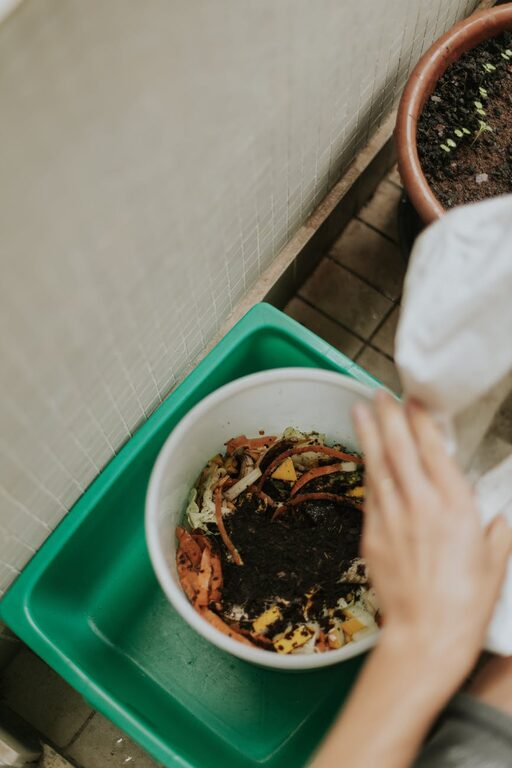
Composting at home is a rewarding and eco-friendly way to reduce waste while enriching your garden soil. If you’re new to composting, it might seem a bit overwhelming at first, but with a few simple tips, you can easily start turning your kitchen scraps and yard waste into nutrient-rich compost. This guide will walk you through the essentials, helping you build a successful composting habit right in your backyard or even indoors.
What Is Composting?
Composting is the natural process of decomposing organic matter—like food scraps, leaves, and grass clippings—into a dark, crumbly material known as compost. This compost acts as a natural fertilizer that improves soil quality and supports plant growth by adding essential nutrients.
Why Start Composting at Home?
– Reduce household waste: Composting keeps organic waste out of landfills, reducing methane emissions.
– Save money: Create your own fertilizer instead of buying chemical ones.
– Improve garden health: Compost enhances soil texture, moisture retention, and nutrient content.
– Support sustainability: Composting helps close the loop on organic materials, making your lifestyle greener.
Beginner Tips for Getting Started
1. Choose the Right Composting Method
There are several ways to compost at home, so pick the one that fits your space and lifestyle:
– Outdoor compost bin: A simple enclosed bin or pile in your backyard works well if you have the space.
– Tumbler compost bins: These sealed bins rotate for easy mixing and are great for faster composting.
– Worm composting (vermicomposting): Using worms in a bin indoors to break down food scraps, ideal for apartments.
– Bokashi composting: A fermentation method using a special bran to pre-treat food scraps, including meats and dairy.
2. Gather the Right Materials: Greens and Browns
Compost needs a balance of two types of materials:
– Greens: Nitrogen-rich materials that are moist and fresh. Examples include vegetable scraps, coffee grounds, and grass clippings.
– Browns: Carbon-rich materials that are dry and provide structure. Examples include dry leaves, cardboard pieces, paper, and straw.
Aim for roughly a 2:1 or 3:1 ratio of browns to greens. Too many greens can cause odors, too many browns slow down decomposition.
3. Prepare Your Compost Pile
– Chop or shred larger materials like branches and vegetable scraps to speed up decomposition.
– Layer browns and greens, starting with coarse browns at the bottom for air circulation.
– Sprinkle water lightly if the pile is too dry; it should feel like a damp sponge.
– Turn or mix your pile every one to two weeks to aerate and help microbes do their work.
4. What to Compost and What to Avoid
Safe to Compost:
– Fruit and vegetable scraps
– Coffee grounds and tea leaves
– Eggshells (crushed)
– Grass clippings and leaves
– Shredded newspaper and cardboard
– Yard waste like small branches
Avoid Composting:
– Meat, fish, and dairy (can attract pests)
– Oils, fats, and grease
– Diseased plants or weeds with seeds
– Pet waste
– Non-biodegradable materials like plastics
5. Monitor Your Compost
A healthy compost pile should:
– Smell earthy, not foul or sour
– Feel warm in the center (heat is a sign of decomposition)
– Be moist but not soggy
– Break down into dark, crumbly soil in 2 to 6 months depending on conditions
If your compost smells bad, add more browns and turn it for better aeration. If it’s too dry, add water or more greens.
6. Harvest Your Compost
When most materials have broken down into a dark, soil-like substance, your compost is ready. Use a screen or sieve to separate unfinished materials and return them to the pile. Apply finished compost to your garden beds, potted plants, or topdress lawns.
Additional Tips for Success
– Start small: Begin with a manageable amount of material and expand as you get comfortable.
– Use a compost thermometer: This helps track the temperature inside the pile for optimal decomposition.
– Keep pests away: Avoid adding food scraps that attract animals and close the bin lid securely.
– Be patient: Composting is a natural process that takes time, so don’t rush it.
Final Thoughts
Composting at home is easier than it seems and positively impacts the environment and your garden health. By following these beginner tips and sticking to the basics, you can make composting a simple part of your daily routine. Start small, stay consistent, and enjoy turning waste into garden gold!
Happy composting!
